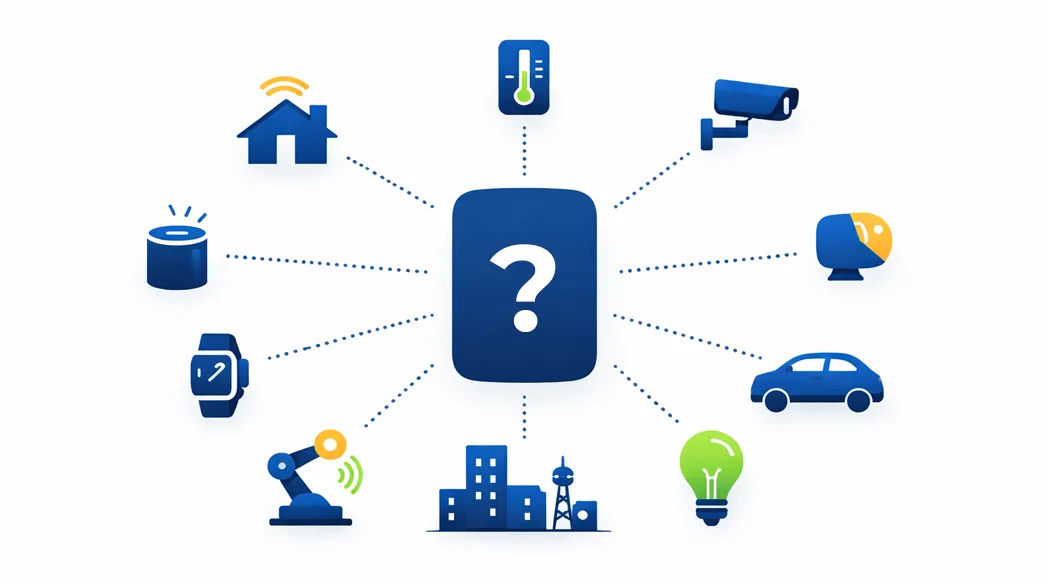
What is the most common IoT device?
The most common IoT device is the smartphone, which virtually everyone carries daily. Smartphones connect to the internet, collect data about usage patterns and location, and can control other connected devices remotely. Beyond smartphones, smart home devices like speakers, thermostats, and security systems are rapidly becoming household essentials, while industrial IoT sensors are transforming business operations worldwide.
What exactly makes a device an IoT device in the first place?
An IoT device is any physical object that connects to the internet and can send or receive data without requiring direct human interaction for each exchange. These devices combine three essential characteristics: internet connectivity, data collection capabilities, and the ability to be monitored or controlled remotely.
The connectivity aspect distinguishes IoT devices from traditional electronics. A regular thermostat simply controls temperature locally, but a smart thermostat connects to your home network and can be adjusted from anywhere using a smartphone app. This internet connection enables the device to share information with other systems and receive updates or commands.
Data collection forms the second core characteristic. IoT devices continuously gather information about their environment, usage patterns, or operational status. Smart fitness trackers monitor heart rate and movement, while industrial sensors measure temperature, pressure, or vibration levels in machinery.
Remote control and monitoring capabilities complete the IoT definition. You can check your home security cameras while at work, receive alerts when your washing machine finishes a cycle, or adjust lighting schedules from another country. This remote interaction transforms ordinary objects into intelligent, responsive systems that integrate seamlessly with digital ecosystems.
What is the single most common IoT device people use today?
Smartphones represent the most ubiquitous IoT device globally, with billions of people carrying these connected devices daily. They continuously collect location data, usage patterns, and environmental information while connecting to countless online services and controlling other IoT devices through dedicated applications.
Modern smartphones function as central hubs for entire IoT ecosystems. They monitor your daily activities through built-in sensors, track location movements, and automatically sync data with cloud services. Your phone connects to smart home devices, wearable technology, and even your car’s entertainment system.
The smartphone’s role extends beyond personal use into professional IoT technology applications. Business users rely on smartphones to monitor industrial equipment, control building systems, and receive alerts from various connected sensors. This versatility makes smartphones the gateway device that most people use to interact with the broader Internet of Things.
What makes smartphones particularly significant in IoT adoption is their universal acceptance. People who might hesitate to install smart home devices readily embrace smartphones, unknowingly becoming part of the connected device ecosystem. This widespread adoption creates the foundation for expanding IoT networks in homes, workplaces, and cities.
Which smart home devices are becoming essential in modern households?
Smart speakers, programmable thermostats, security cameras, and intelligent lighting systems are becoming standard features in modern homes. These devices offer convenience, energy savings, and enhanced security while requiring minimal technical expertise to install and operate.
Smart speakers like Amazon Echo and Google Home serve as voice-controlled command centers for entire home automation systems. They answer questions, play music, control other connected devices, and manage daily schedules through simple voice commands. Their popularity stems from the natural interaction method and expanding capabilities.
Smart thermostats deliver both comfort and cost savings by learning household routines and adjusting temperatures automatically. They can detect when residents leave home, pre-cool or pre-heat before arrival, and provide detailed energy usage reports that help reduce utility bills.
Security cameras and smart doorbells provide peace of mind through remote monitoring capabilities. Modern systems send instant alerts to smartphones when motion is detected, allow two-way communication with visitors, and store footage in cloud storage for later review.
Intelligent lighting systems offer customization beyond simple on-off controls. They adjust brightness based on time of day, change colors to match activities or moods, and can be programmed to simulate occupancy when residents travel. These systems often integrate with other smart home devices to create automated scenes and routines.
How are IoT devices transforming business and industrial operations?
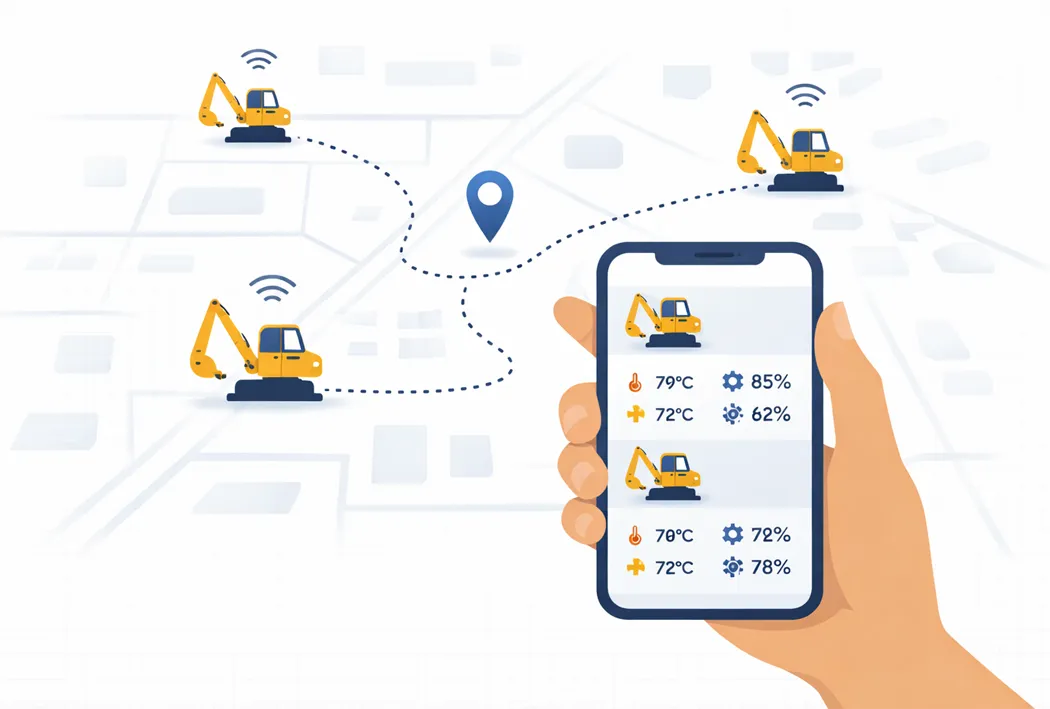
Industrial IoT devices are revolutionizing business operations through predictive maintenance, real-time monitoring, and automated process optimization. Smart sensors attached to machinery can predict equipment failures before they occur, reducing downtime and maintenance costs significantly.
Manufacturing facilities deploy thousands of connected sensors to monitor production lines, environmental conditions, and equipment performance. These sensors collect continuous data streams that enable managers to identify inefficiencies, optimize workflows, and maintain consistent product quality.
Fleet management represents another major IoT technology application in business operations. Connected vehicles provide real-time location tracking, fuel consumption monitoring, and driver behavior analysis. Companies use this information to optimize routes, reduce fuel costs, and improve safety standards.
Predictive maintenance systems analyze vibration patterns, temperature fluctuations, and operational data to forecast when equipment requires servicing. This proactive approach prevents unexpected breakdowns, extends machinery lifespan, and reduces maintenance expenses by scheduling repairs during planned downtime.
Energy management systems help businesses reduce operational costs through intelligent monitoring and control. Connected sensors track electricity usage across different areas, automatically adjust lighting and climate control based on occupancy, and identify opportunities for efficiency improvements.
What should you consider when choosing your first IoT device?
Start by identifying specific problems you want to solve rather than buying devices for novelty. Consider compatibility with existing systems, security features, ongoing costs, and whether the device integrates well with your current technology setup.
Compatibility assessment should include checking whether the device works with your smartphone, home network, and any existing smart devices. Some products require specific network protocols or hub devices to function properly, while others connect directly to standard Wi-Fi networks.
Security considerations are crucial when selecting IoT devices. Look for products that receive regular software updates, use encrypted data transmission, and allow you to change default passwords. Avoid devices from manufacturers with poor security track records or those that don’t provide clear privacy policies.
Budget planning should account for both initial purchase costs and ongoing expenses. Some devices require subscription services for cloud storage or advanced features. Calculate the total cost of ownership over several years to make informed purchasing decisions.
User-friendliness matters significantly for first-time IoT adopters. Choose devices with intuitive setup processes, clear instructions, and responsive customer support. Starting with simpler devices like smart plugs or basic security cameras helps build confidence before investing in more complex systems.
Research the manufacturer’s reputation for product support and longevity. Companies that regularly update device software and maintain products for several years provide better long-term value than those that abandon products quickly after release.
Next steps
1) Read about our customer stories
Browse short customer stories on what was built, what data was used, and what changed after launch.
2) Industry examples
Pick your industry to see typical use cases and starting points.
3) Contact us
Tell us your goal — we’ll suggest the right next step.